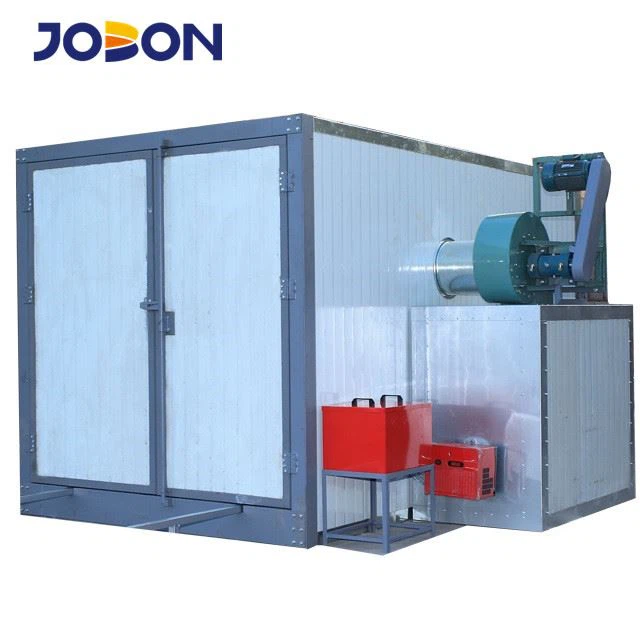
Electric Heating Curing Oven For Powder Coating Line
100mm thick rock wool; Built-in infrared heating tube; All temperature is automatically controlled;
Add to Inquiry
Gas Heating System For Curing Oven in Powder Coating Line
High quality Riello burner,Long service time; All temperature is automatic controlled; Low energy consumption.
Add to Inquiry
Diesel Heating Curing Oven With Touch Screen Control System
100mm thick rock wool; Italy Riello brand burner; 7-in touch screen automatic heating control system; Fan blade is made of stainless steel 304; All temperature is automatically controlled;
Add to Inquiry
Gas Heating Curing Oven With Touch Screen Control System
100mm thick rock wool; Italy Riello brand burner; 7-in touch screen automatic heating control system; Fan blade is made of stainless steel 304; All temperature is automatically controlled;
Add to Inquiry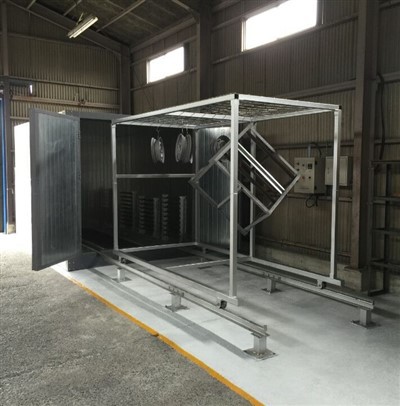
Electeic Curing Oven With Digital Control System
Stainless steel electrical heating tube; Long service time; All temperature is automatically controlled;
Add to Inquiry
Powder Coat Batch Oven Heating System Diesel|fuel Heating
Diesel|fuel heating system is important to the curing oven's performance. If you look for an energy-saving good quality oven heating system, you have to try ours.
Add to Inquiry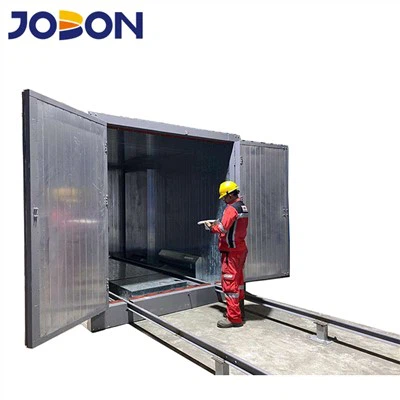
GAS/LPG/DIESEL Fired Industrial Powder Coating Curing Batch Oven For Car Wheels
-High quality rock wool insulation board-Riello burner; save energy and most efficient setting-Heating system uses stainless steel material fan blades, stainless steel hot air tunnel, and water
Add to Inquiry
Diesel Heating System For Powder Coating Oven
High quality Riello burner,Long service time; All temperature is automatic controlled; Low energy consumption.
Add to Inquiry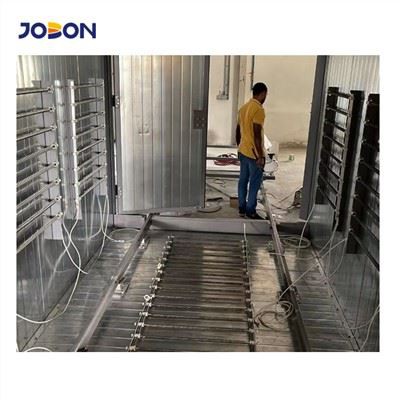
Continuous Workflow High Productivity Powder Heat Curing Oven
Two sides door powder heat curing oven can do continuous workflow of powder coating, and is a good investment that can be used long.
Add to Inquiry
LPG|LNG|CNG|NG Heating Two Sides Door Powder Coating Curing Batch Oven
If you expect a bigger production capacity with lower energy consumption, two sides door powder coating curing oven can meet your demand better. With the two-sides door oven, you can do powder
Add to Inquiry
Diesel|Fuel Heating High Efficient Metal Coating Curing Oven
Diesel heating powder coating curing oven adopts hot air circulation heating to heat the parts, and there are heat exchangers inside of the diesel heating system, so your parts won't get
Add to Inquiry
Gas Heating Powder Coating Oven
Assembled structure gas heating powder coating oven, and can be easily installed at field; Equipped with one pair of inner rails and one pair of out rails, with a weight loading capacity of 1000kgs.
Add to Inquiry
Powder Coating Curing Oven
Why Choose Us?
Rich Experience
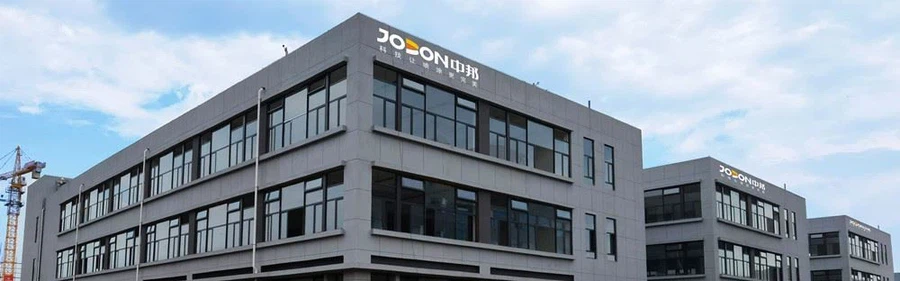
Qingdao JOBON Science & Tech Development Co., Ltd, started from 1999 for the designing and manufacturing of powder coating machinery. The company has two worldwide brands: JOBON, PENTOO.
Wide range of applications
Powder coating equipment can be widely used for all industries, ranging from small car repair shops to busy high automation factories.
Quality Guaranteed
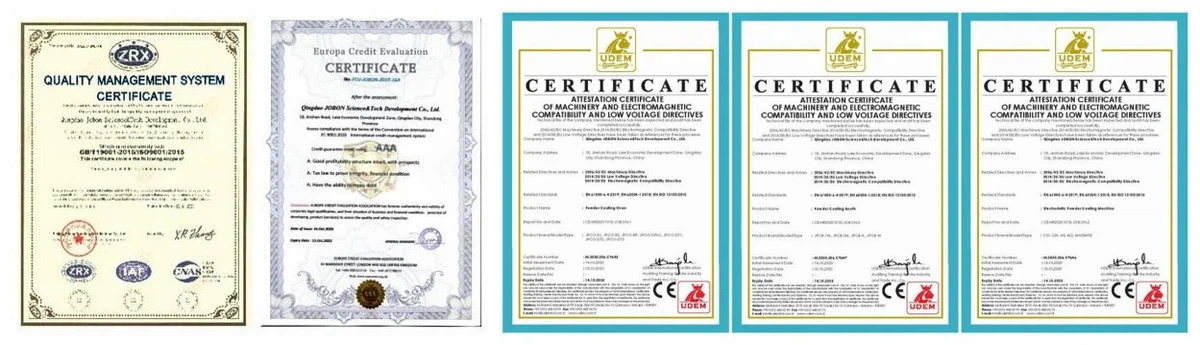
JOBON Company is continuously taking the leading role in the industry of powder coating and enamel coating equipment and solution. And our JOBON people is keeping hard working toward our expectation: technology makes spraying more perfect.
Professional technical team
JOBON Company has been dedicated to the powder coating equipment manufacturing field, focusing on research and design. With more than 20years developing time, the company has accumulated 62 patents, and has been awarded as High Tech Enterprise from 2013 and was selected into the provincial "specialized, fined, peculiar and new area" enterprises list in 2020.
Definition of Powder Coating Curing Oven
Powder coating curing ovens are used to cure powder previously applied to a substrate, usually metal parts. Unlike conventional liquid paints, powder coatings consist of small particles of solid material. Because of their different characteristics, wet paint and powder coatings have different curing requirements.